


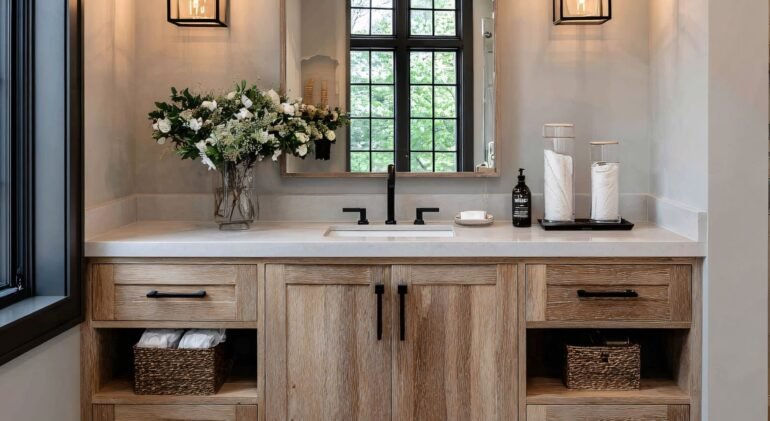

Choosing the right bathroom vanity is not just about looks. The right vanity improves functionality, storage, and long-term durability, while the wrong choice can lead to plumbing issues and extra costs.
At Tap Tech Plumbing, we regularly help homeowners fix problems caused by poorly selected vanities. This guide will help you understand the differences between vanities and how to choose the correct one for your bathroom.
What Is a Bathroom Vanity?
A bathroom vanity usually includes the cabinet, basin, and sometimes the benchtop. It hides plumbing pipes, provides storage, and is one of the main visual features of your bathroom.
Vanities come in many styles, sizes, and materials—choosing wisely makes a big difference.
Types of Bathroom Vanities
Freestanding Vanities
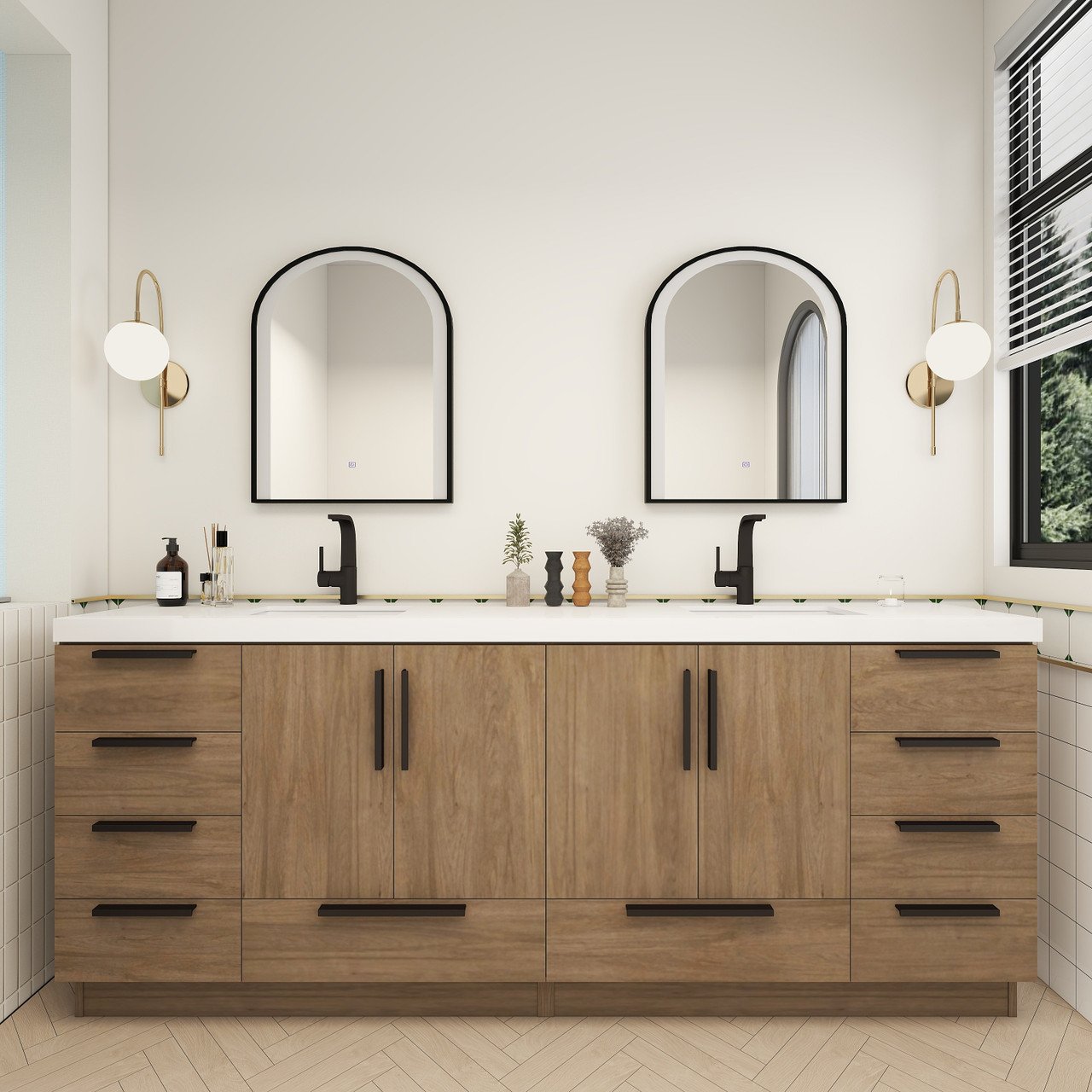
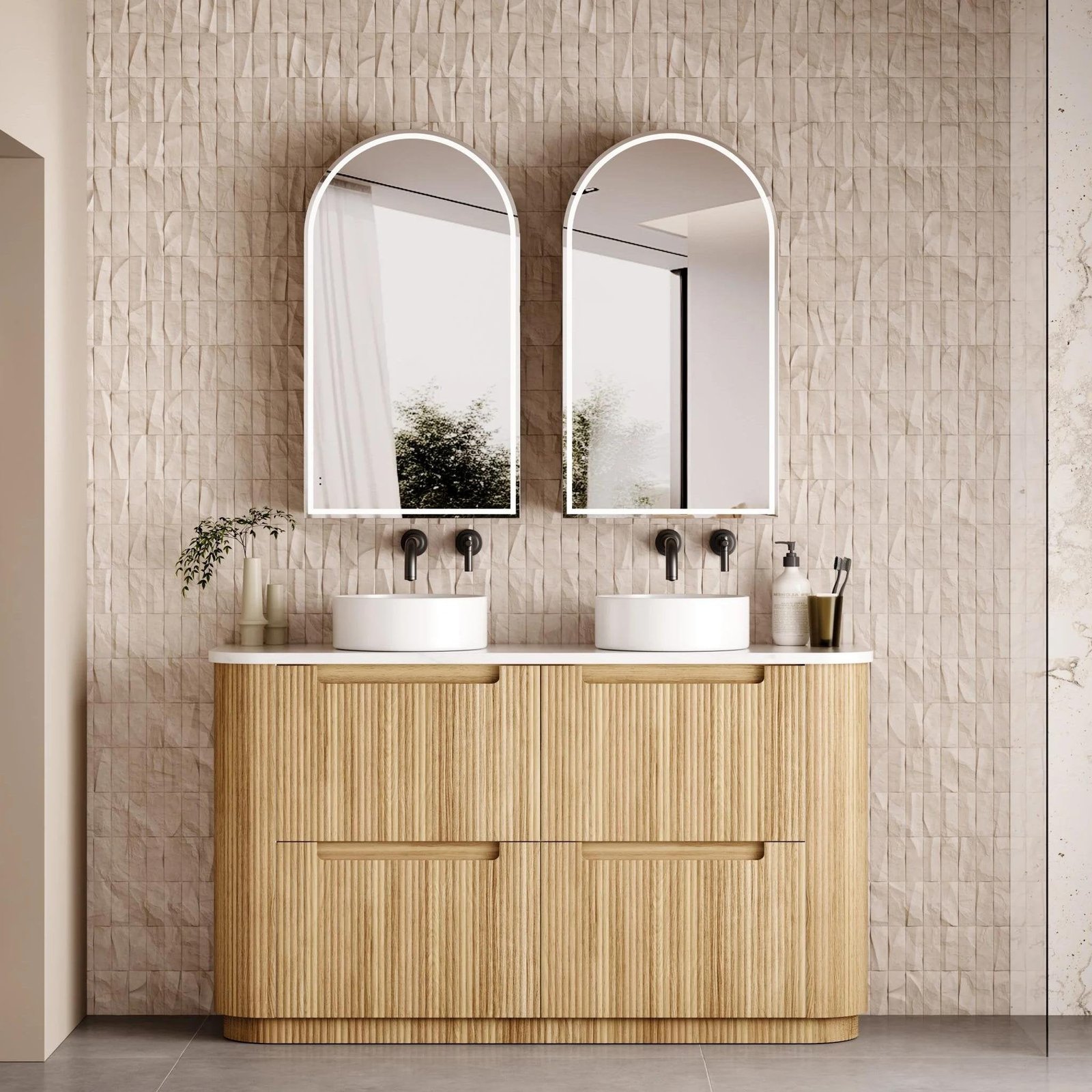
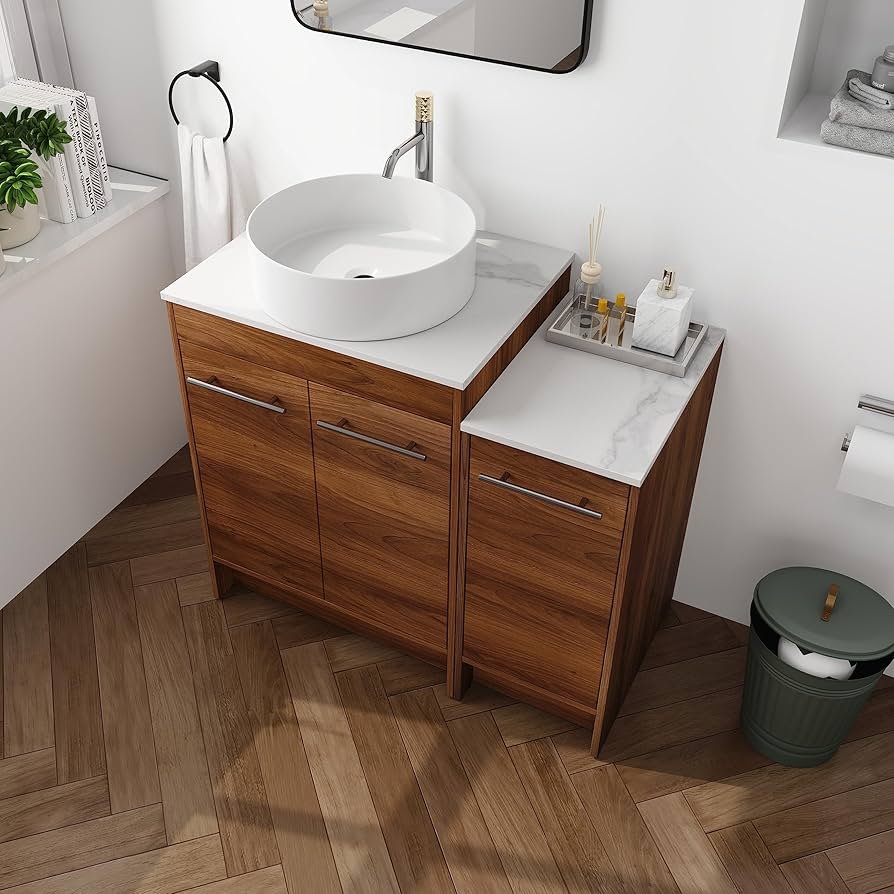
Freestanding vanities sit directly on the floor and are the most common option in Australian homes.
Pros:
- Easy to install
- Works well with existing plumbing
- Cost-effective
Cons:
- Can feel bulky in smaller bathrooms
Best for: Bathroom renovations where plumbing locations stay the same.
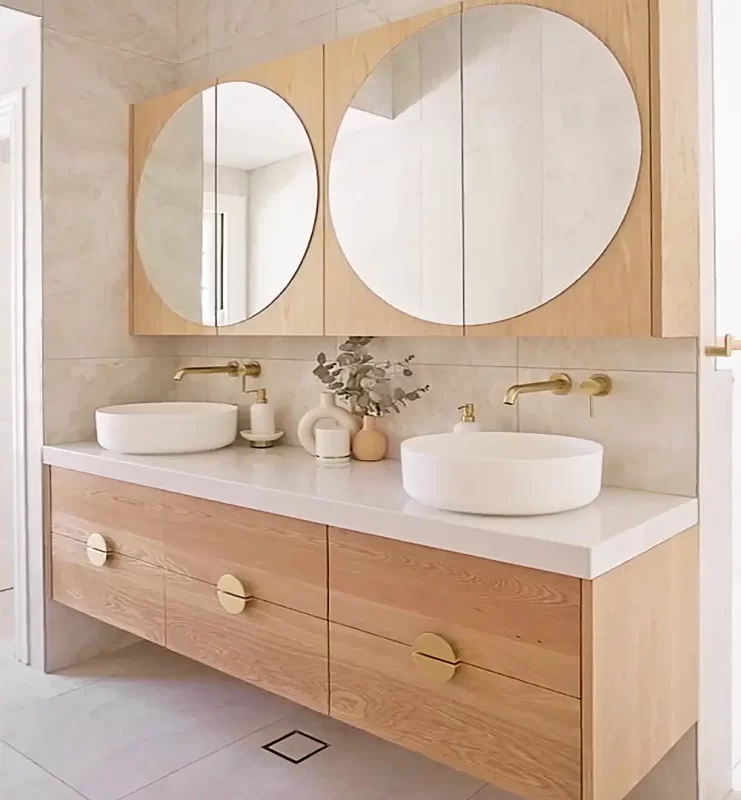
Wall-Hung (Floating) Vanities
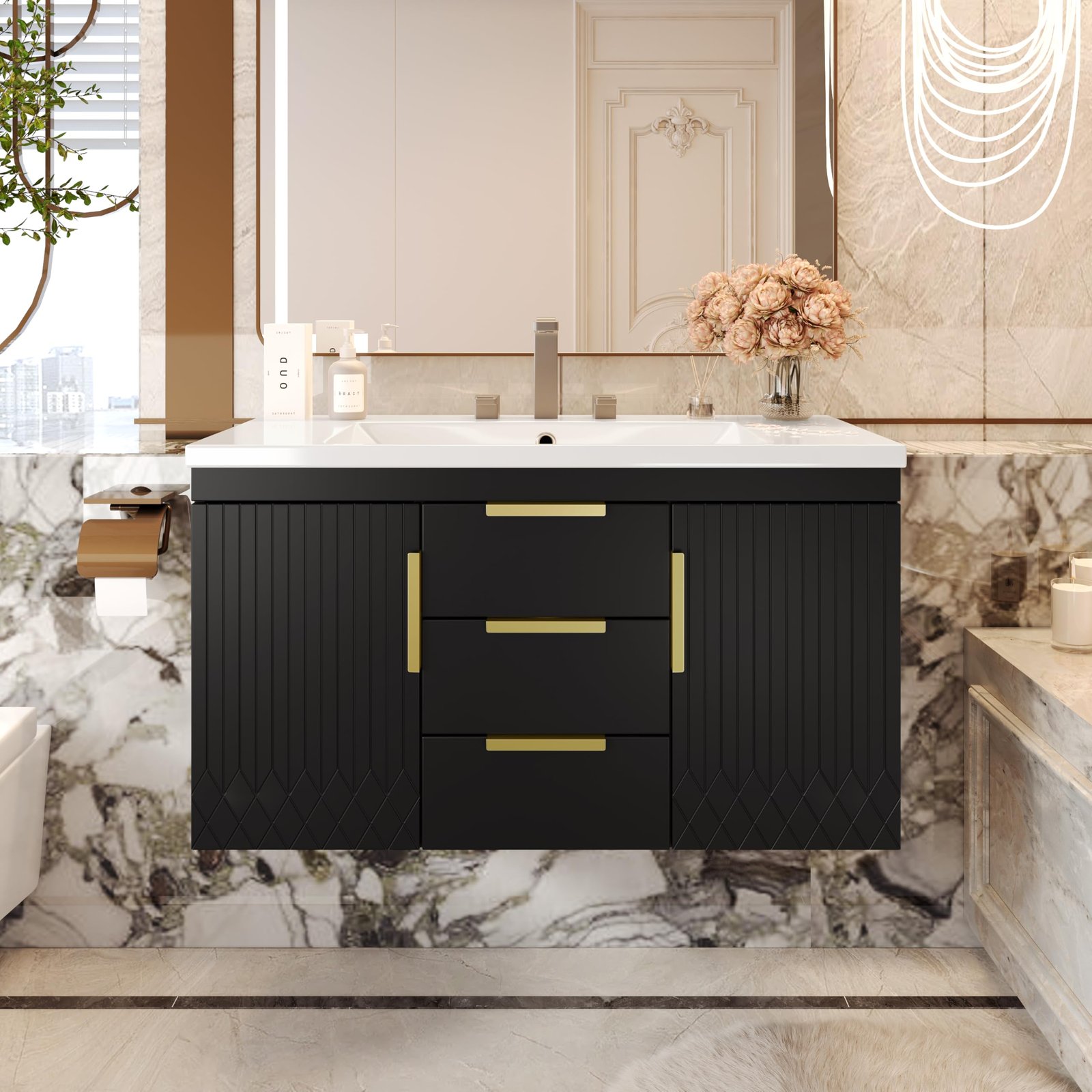
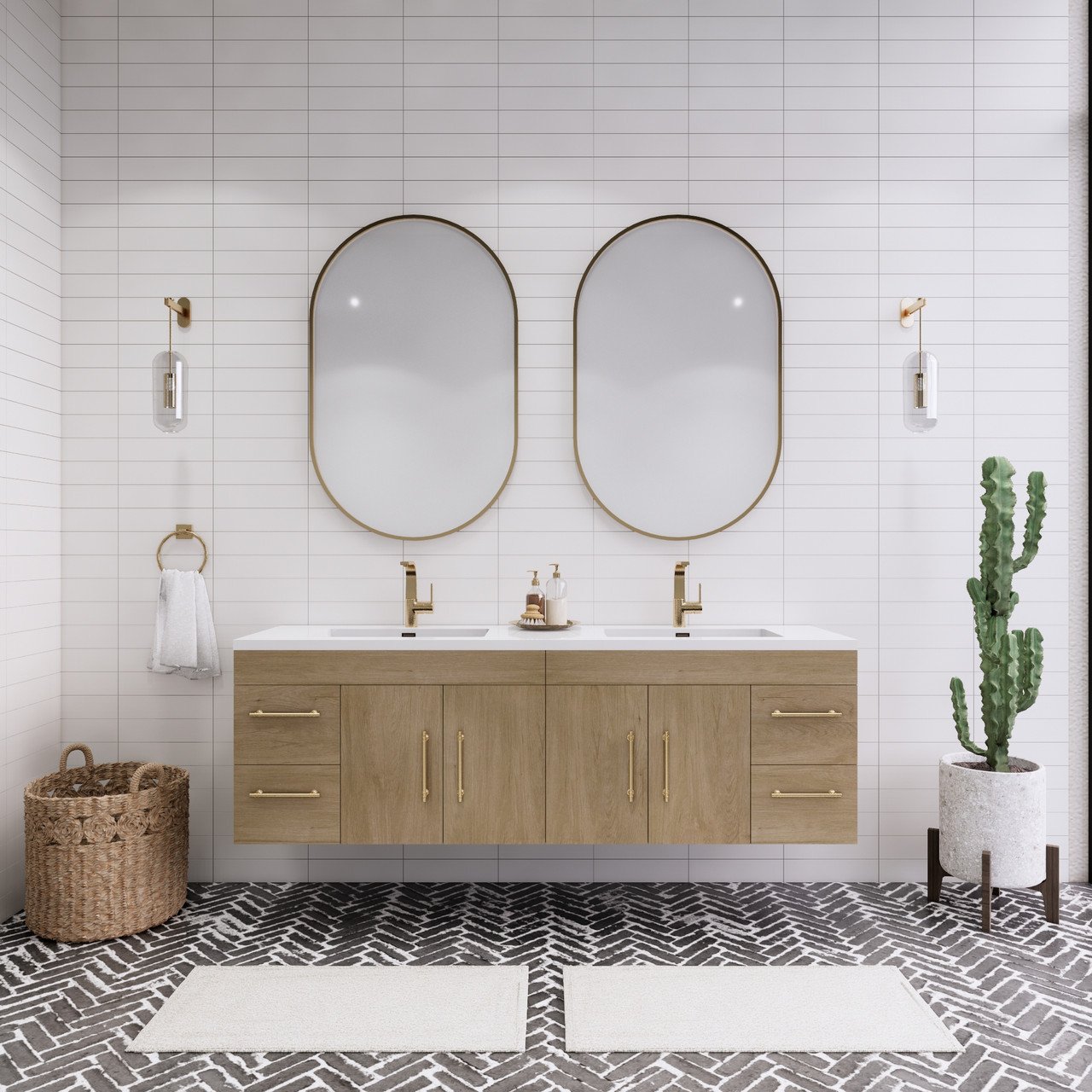
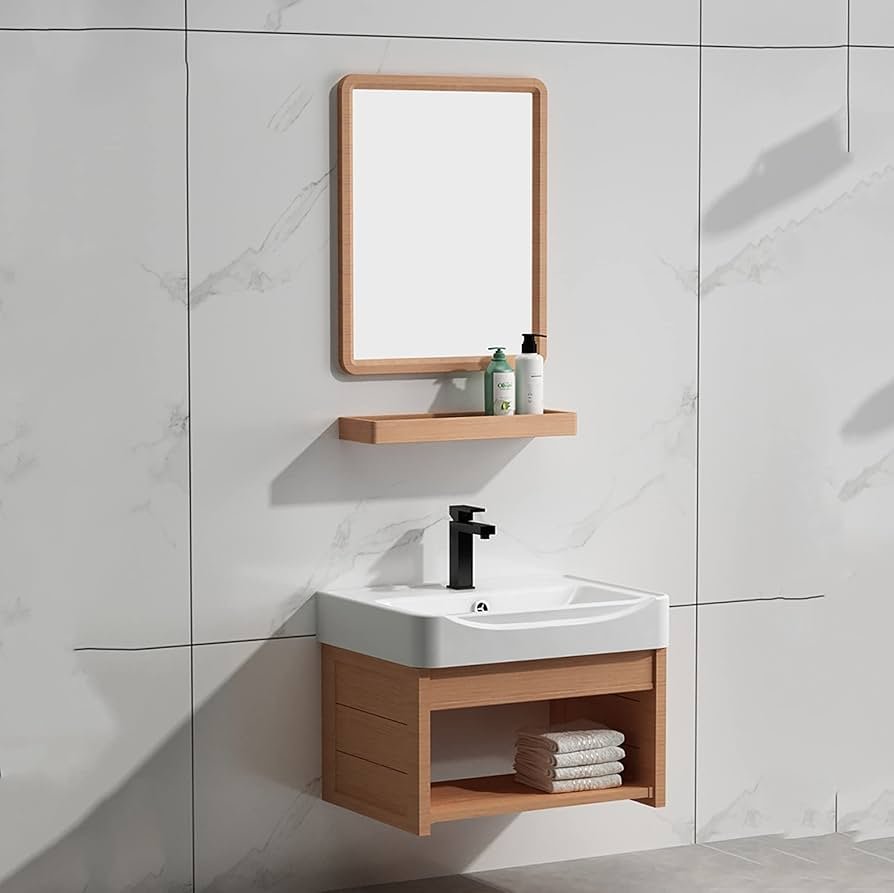
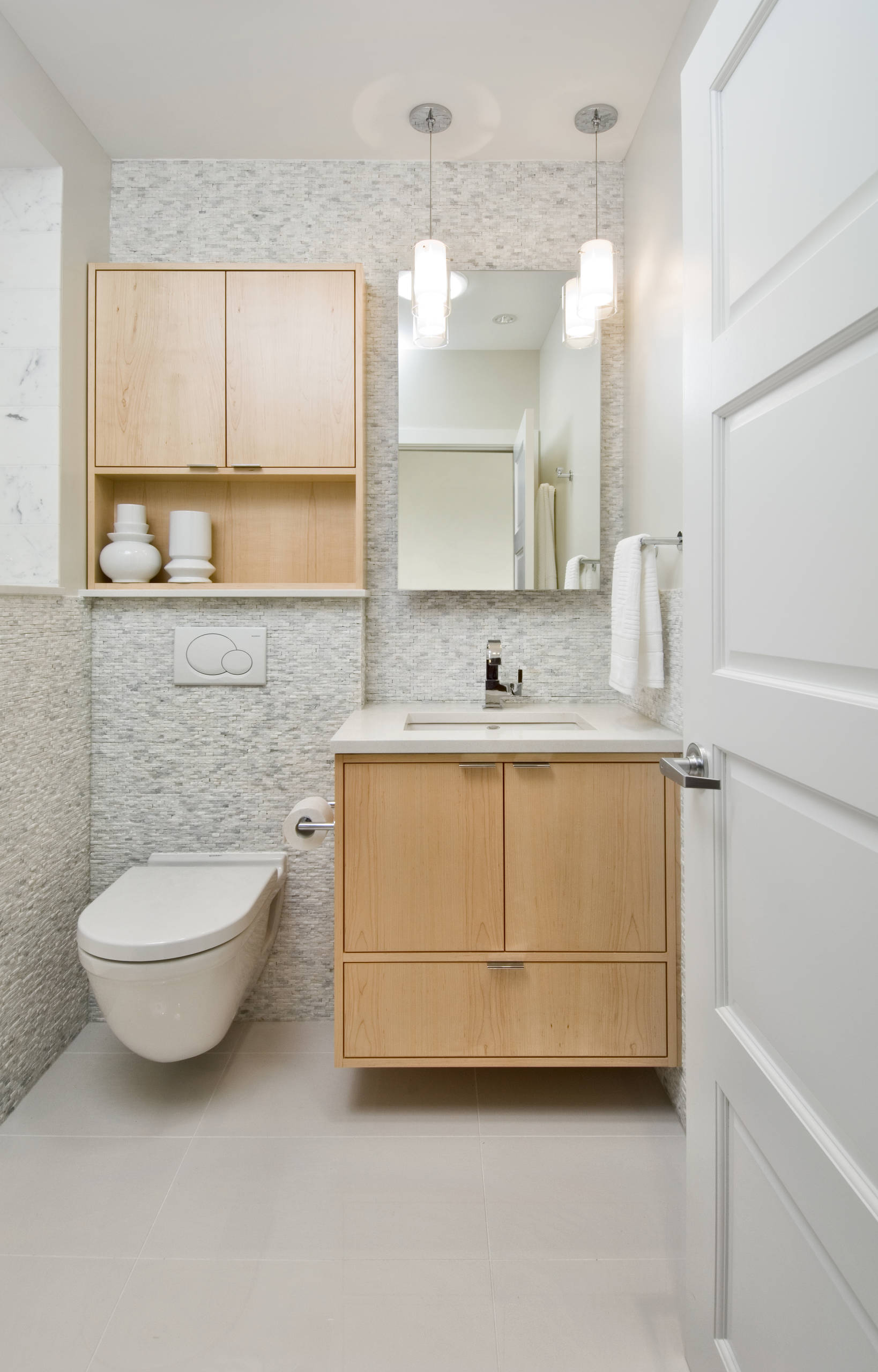
Wall-hung vanities are mounted to the wall and do not touch the floor, giving a modern and spacious look.
Pros:
- Makes bathrooms feel larger
- Modern, stylish appearance
- Easier floor cleaning
Cons:
- Requires strong wall support
- Plumbing must be positioned accurately
At Tap Tech Plumbing, we always check wall structure and pipe placement before installing wall-hung vanities.
Single vs Double Vanities
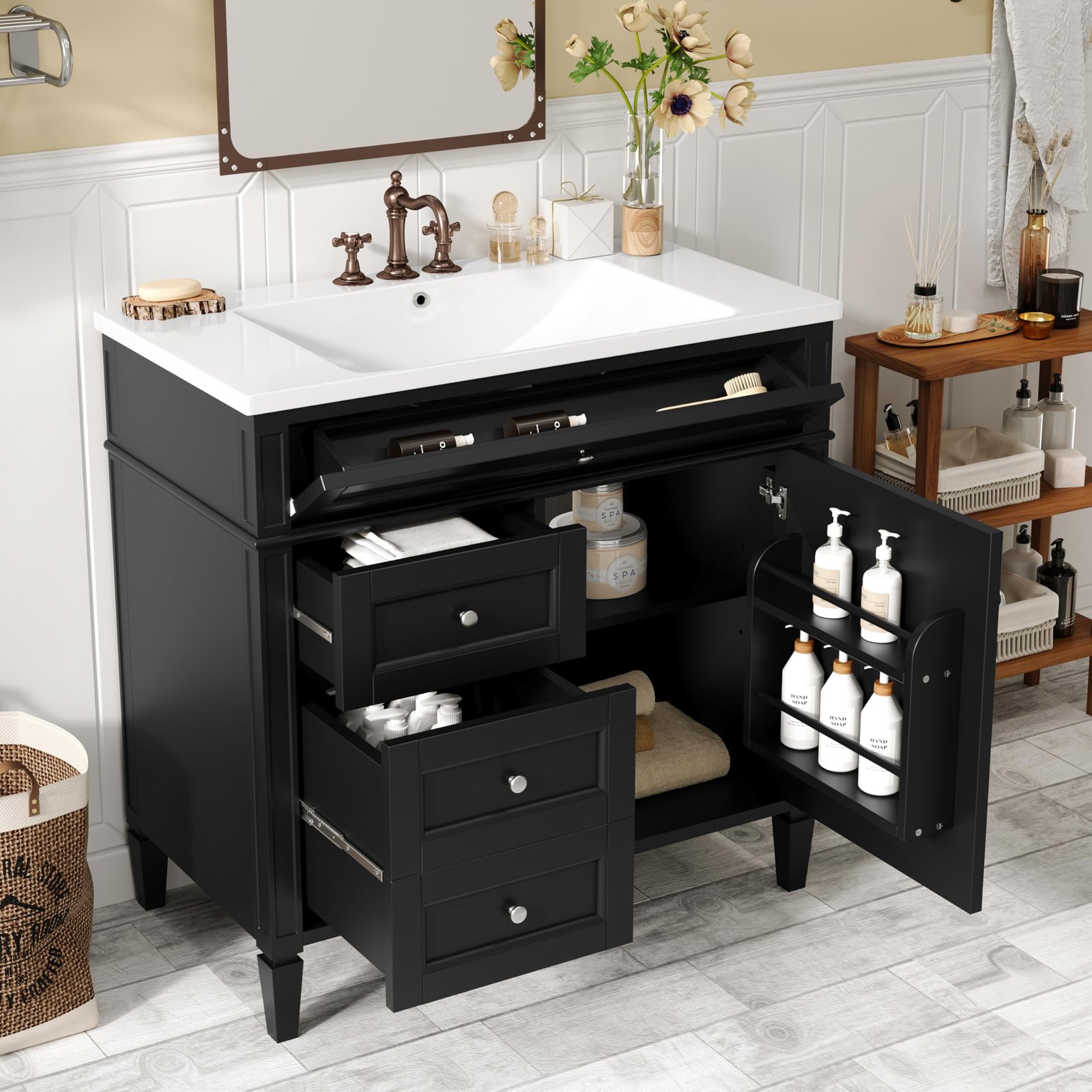

Single Vanity
- Ideal for small to medium bathrooms
- Lower cost
- Simple plumbing setup
Double Vanity
- Perfect for shared or master bathrooms
- Requires more space
- Needs additional water and drainage connections
Double vanities should always be assessed by a licensed plumber before purchase.
Vanity Materials: What You Should Know
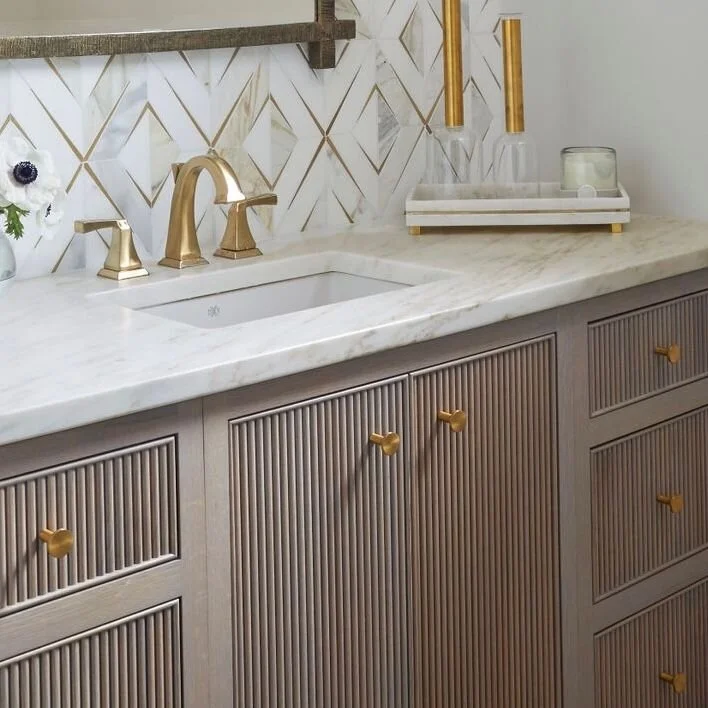
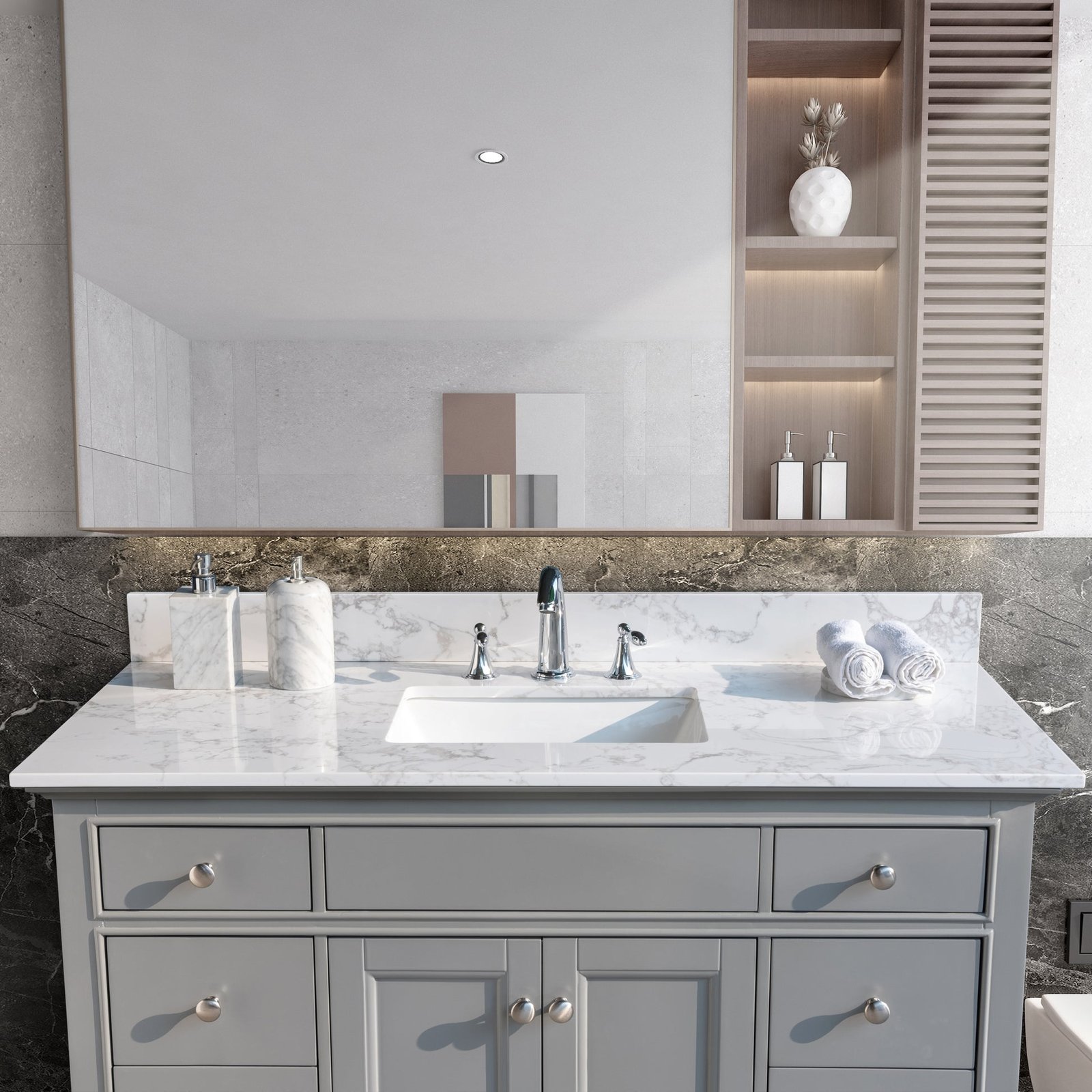
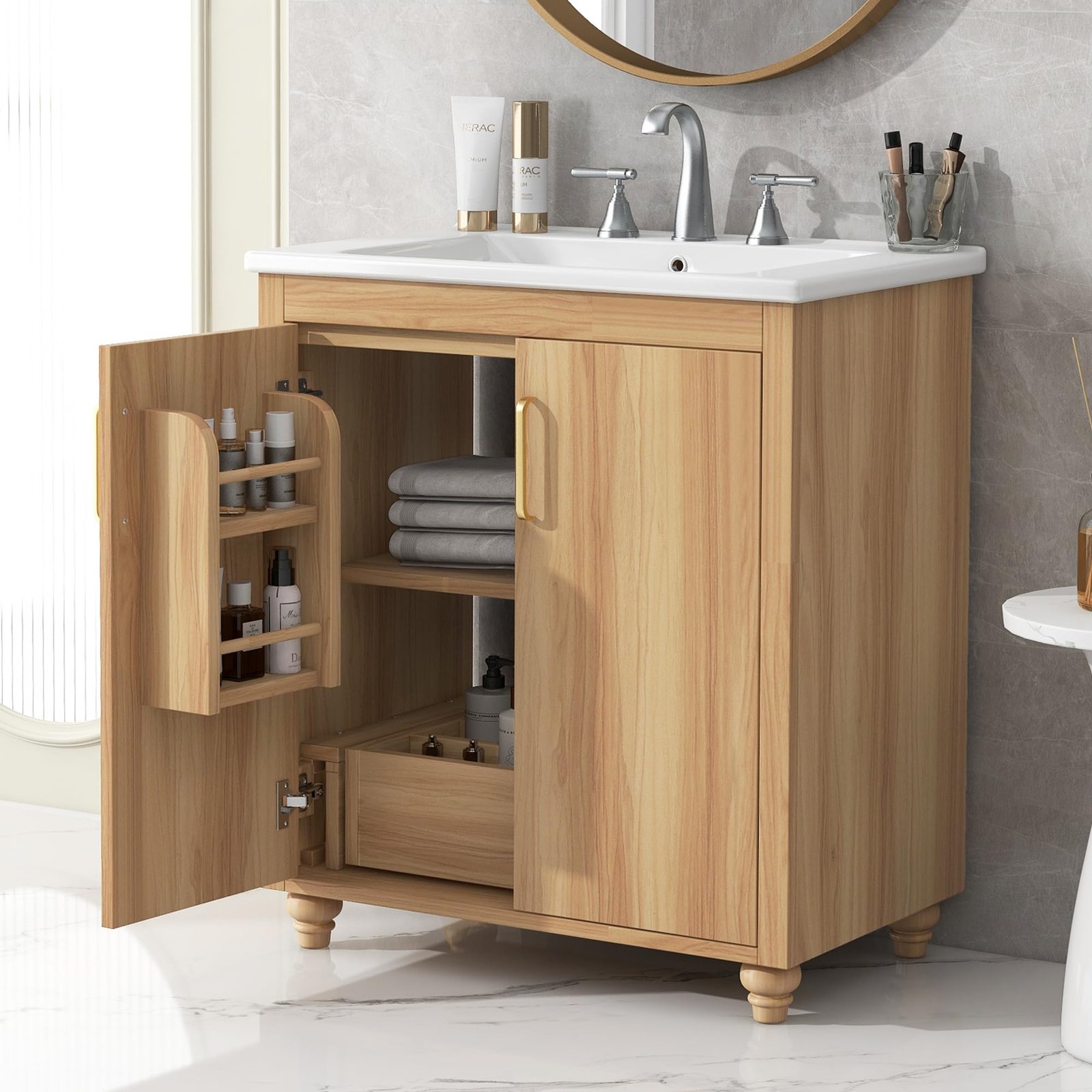
Cabinet Materials
- Moisture-resistant MDF: Affordable, but quality matters
- Plywood: Stronger and better moisture resistance
- Solid timber: Premium look, must be properly sealed
Low-quality cabinets are one of the most common failures we see due to water damage.
Benchtop Options
- Ceramic
- Engineered stone
- Natural stone
- Laminate
Stone benchtops look great but are heavier and may need extra support.
Vanity Sizes & Measurements
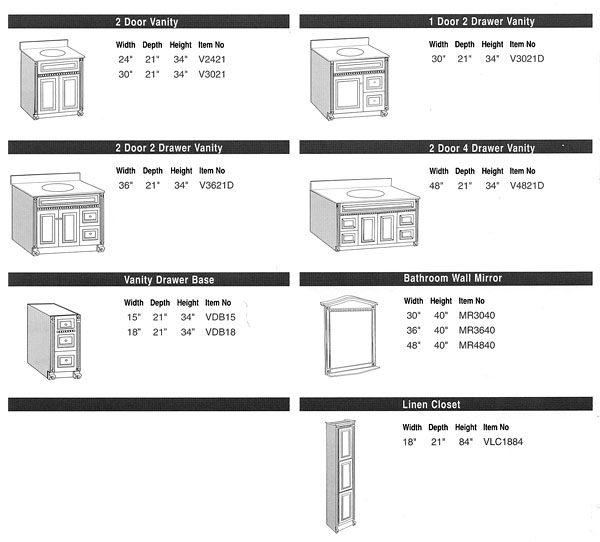
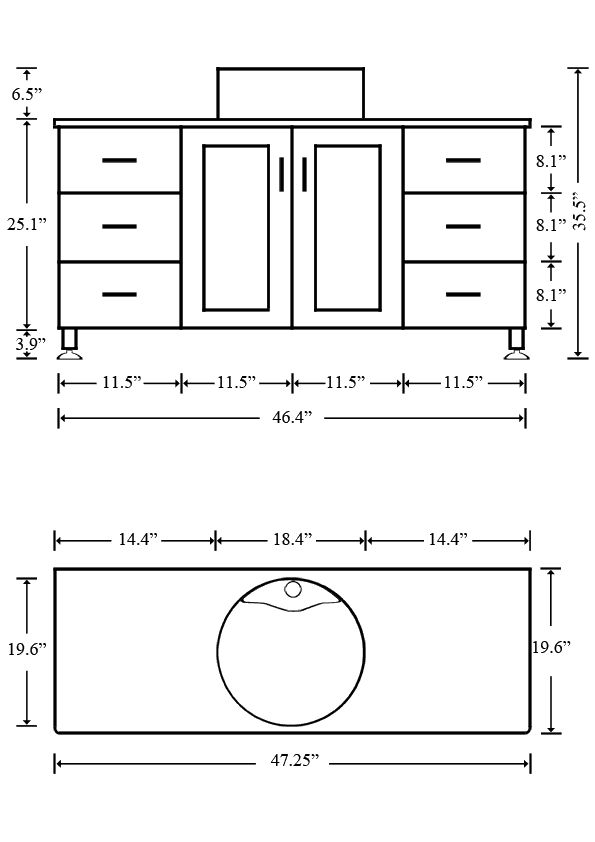
Vanities usually range from 600mm to 1800mm wide.
Always check:
- Available wall space
- Vanity depth (to avoid tight walkways)
- Vanity height (especially wall-hung units)
- Existing plumbing locations
Incorrect sizing often leads to unnecessary plumbing changes and extra costs.
Important Details People Often Overlook
Before buying a vanity, pay close attention to:
- Plumbing waste and water pipe positions
- Wall-mounted vs basin-mounted taps
- Drawer cut-outs for plumbing
- Overflow requirements (important for compliance)
- Quality of hinges and runners
- Storage needs (drawers vs cupboards)
These small details can make a big difference in usability and installation cost.
Why Plumbing Advice Matters
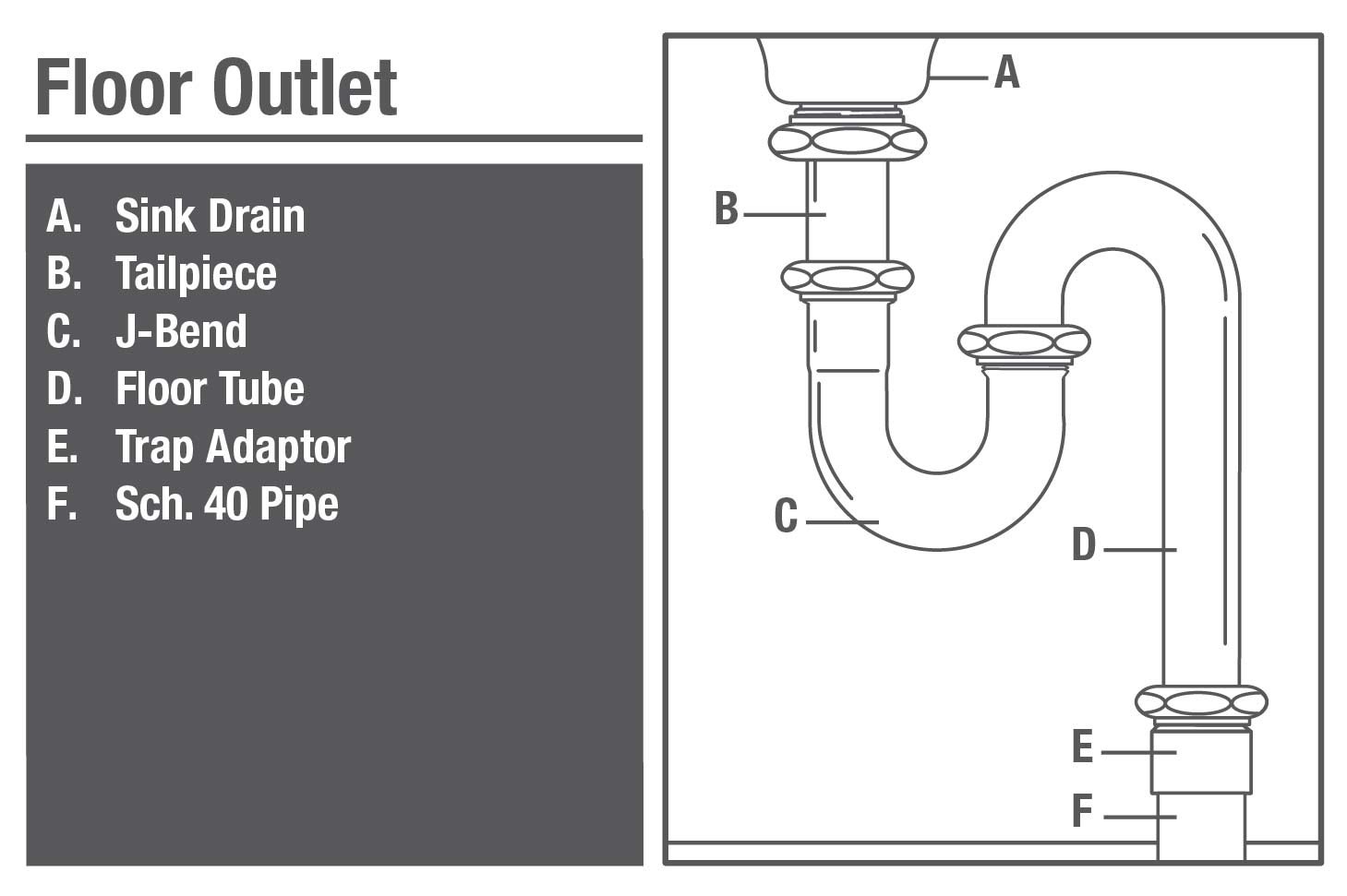

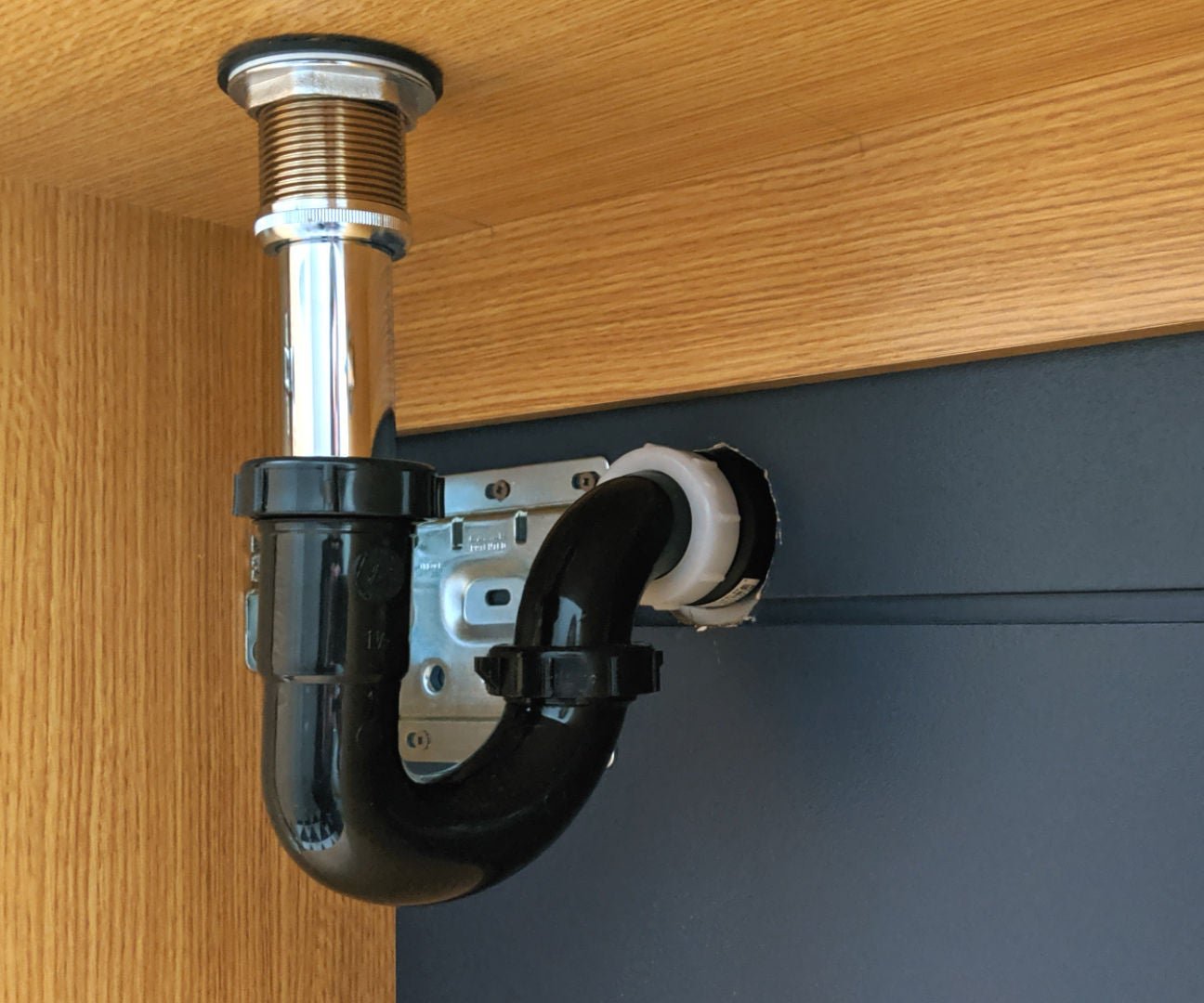
Many homeowners buy a vanity first and call a plumber later—this often leads to redesigns, delays, or extra expenses.
At Tap Tech Plumbing, we recommend speaking with a licensed plumber before purchasing your vanity to ensure:
- Correct sizing
- Plumbing compatibility
- Compliance with Australian standards
- Smooth, cost-effective installation
Need Help Choosing or Installing a Vanity?
Whether you’re renovating or replacing an old vanity, Tap Tech Plumbing can guide you from selection to professional installation.
📞 Call: 0404 214 144
🌐 Website: taptechplumbing.com.au
Get it done right the first time — Tap Tech Plumbing.