


4
If you are planning to install a septic tank in Sydney or Western Sydney suburbs like Green Valley, Austral, Leppington, Bringelly, or Kemps Creek, this complete guide explains system types, costs, soil conditions, and council requirements.
As Sydney expands into semi-rural areas, many homes are still not connected to the main sewer network. In these locations, homeowners rely on off-grid wastewater systems, commonly known as septic systems.
These systems safely treat wastewater directly on your property and are common in areas such as:
- Green Valley
- Hinchinbrook
- Hoxton Park
- Austral
- Leppington
- Bringelly
- Rossmore
- Kemps Creek
- Luddenham
Understanding how septic systems work, their costs, and how soil conditions affect installation is important before building or upgrading a property.
What Is an Off-Grid Sewer System?
An off-grid sewer system treats wastewater directly on your property rather than sending it to the municipal sewer network.
Wastewater from your home — including:
- toilets
- sinks
- showers
- washing machines
flows into a treatment system where:
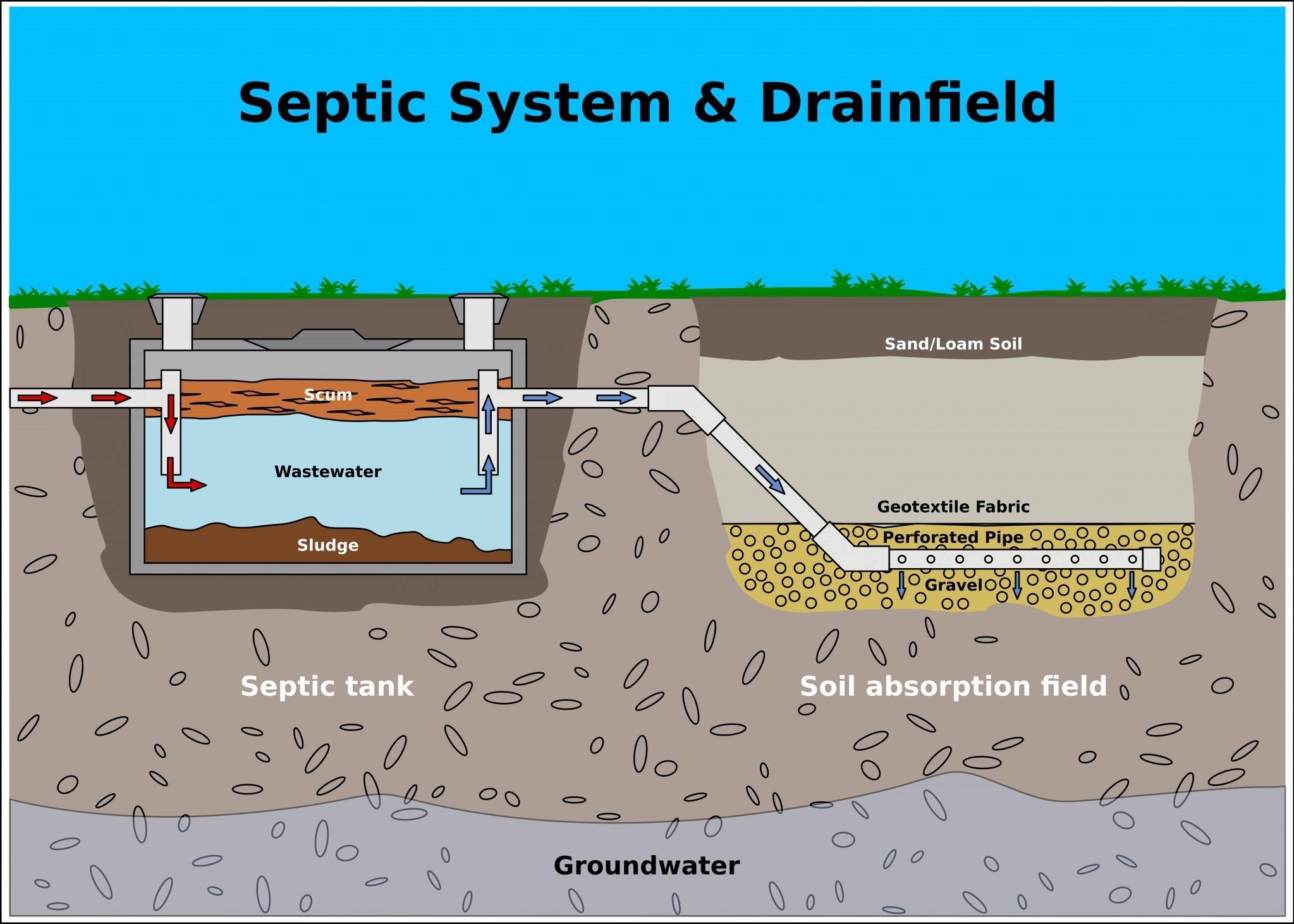
- solids settle inside a septic tank
- bacteria break down organic waste
- treated liquid flows to soil absorption trenches or irrigation systems
The soil naturally filters the water before it returns safely to the environment.
If wastewater pipes become damaged or blocked, it may also cause drainage problems that require professional blocked drain services in Sydney.
These systems are common for:
✔ acreage homes
✔ rural properties
✔ new developments outside sewer areas
✔ eco-friendly or off-grid homes
Types of Septic Systems Used in Sydney
Traditional Septic Tank with Absorption Trenches
4
This is the most common wastewater system used in rural NSW properties.
How it works
1️⃣ Wastewater flows into the septic tank
2️⃣ Solids settle at the bottom
3️⃣ Bacteria break down waste
4️⃣ Liquid flows into absorption trenches
The soil then naturally filters the wastewater.
In older homes, damaged sewer pipes may affect system performance and require sewer pipe repair or replacement.
Typical Installation Cost in Sydney
| Item | Estimated Cost |
|---|---|
| Septic tank supply | $4,000 – $7,000 |
| Excavation & installation | $3,000 – $6,000 |
| Absorption trenches | $4,000 – $8,000 |
💰 Total installation cost: $12,000 – $24,000
This system works best on larger blocks with good soil drainage.
Aerated Wastewater Treatment Systems (AWTS)
4
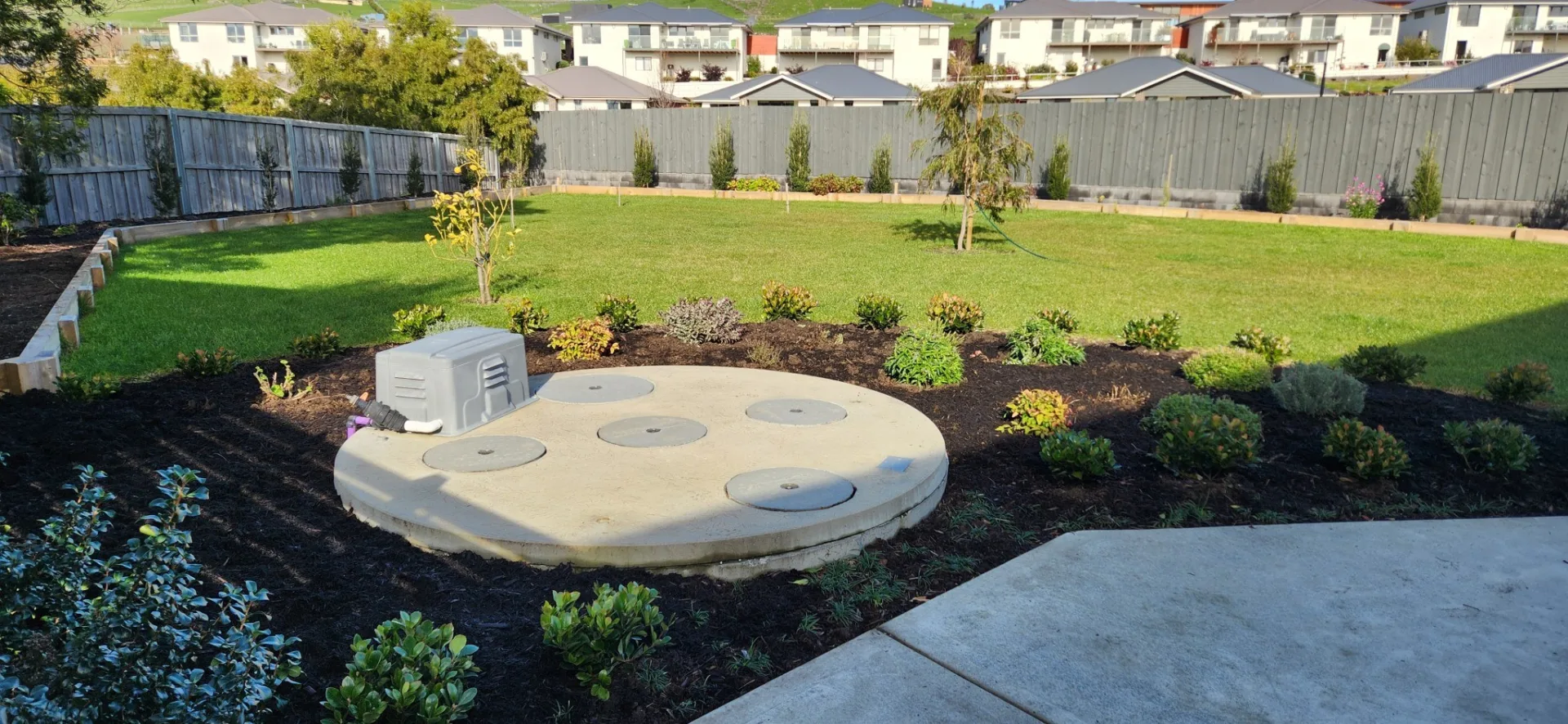
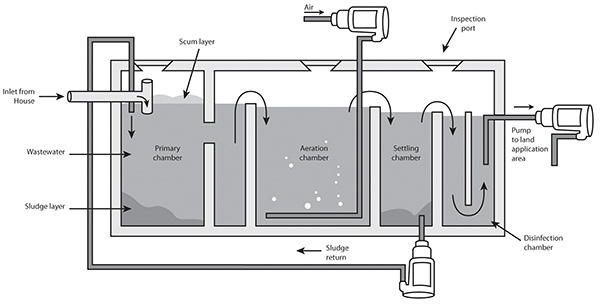
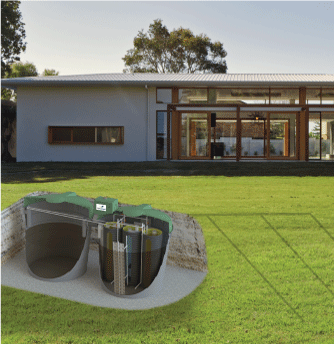
An AWTS system treats wastewater more thoroughly using aeration and bacteria.
These systems are often required when:
- soil drainage is poor
- property blocks are smaller
- environmental regulations are stricter
The treated water is pumped to subsurface irrigation areas.
Typical Installation Cost
| Item | Estimated Cost |
|---|---|
| Treatment system | $10,000 – $15,000 |
| Installation | $4,000 – $8,000 |
| Irrigation system | $3,000 – $6,000 |
💰 Total installation cost: $17,000 – $30,000
AWTS systems require regular servicing every 3–4 months.
Soil Differences Across Western Sydney


4
Soil type is one of the biggest factors affecting septic system design and cost.
Clay Soil
Common in Green Valley, Liverpool, and Hinchinbrook.
Clay drains slowly, which means septic systems may require:
- larger absorption trenches
- advanced treatment systems
Typical installation cost:
💰 $15,000 – $30,000
Sandy Soil
Common in Bringelly, Luddenham, and Kemps Creek.
Sandy soils drain well, making septic systems easier and cheaper to install.
Benefits include:
✔ smaller trenches
✔ better natural filtration
✔ lower excavation costs
Typical installation cost:
💰 $12,000 – $20,000
Mixed Soil Conditions
Common in Austral and Leppington.
These areas usually require soil testing before installation.
A professional plumber may also recommend a drain camera inspection to check existing underground pipes before installing a new system.
Typical installation cost:
💰 $15,000 – $28,000
How Much Does a Septic Tank Cost in Sydney?
Typical septic installation costs in Western Sydney include:
| System Type | Estimated Cost |
|---|---|
| Traditional septic tank | $12,000 – $24,000 |
| Aerated wastewater system | $17,000 – $30,000 |
| Composting systems | $6,000 – $16,000 |
Costs vary depending on:
- soil conditions
- property size
- excavation depth
- council requirements
How a Septic Tank Is Installed in Sydney (Step-by-Step)
1️⃣ Site inspection and soil testing
A plumber or wastewater specialist assesses soil conditions and property layout.
2️⃣ Council approval and system design
Local councils require approval before installation begins.
3️⃣ Excavation and tank installation
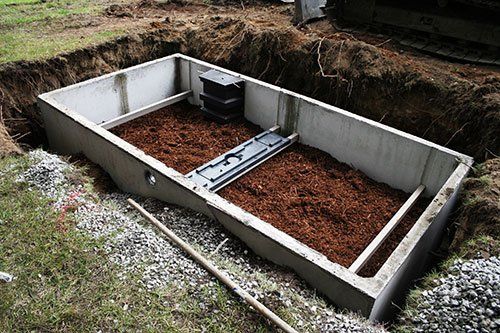
The septic tank is installed underground and connected to the house sewer line.
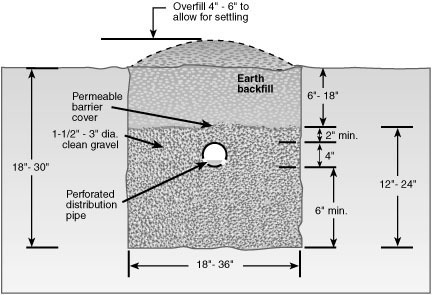
4️⃣ Absorption trench or irrigation installation
Pipes are installed to safely disperse treated wastewater.
5️⃣ Final inspection
The system is inspected and approved before use.
Council Approval Requirements in NSW
All septic systems require approval from the local council.
Typical requirements include:
- soil testing
- wastewater design approval
- environmental assessment
- final inspection after installation
Installation must be completed by a licensed plumber or wastewater installer.
How Long Do Septic Systems Last?
A properly installed septic system can last 20–40 years.
Recommended maintenance:
- pump septic tanks every 3–5 years
- avoid flushing wipes and grease
- keep heavy vehicles off absorption trenches
- maintain AWTS servicing schedules
If you notice slow drainage or recurring blockages, it may be time to arrange professional drain inspection or blocked drain services.
Frequently Asked Questions
Do I need council approval for a septic tank in NSW?
Yes. All on-site wastewater systems require council approval before installation.
How often should septic tanks be pumped?
Most septic tanks should be pumped every 3–5 years.
Can septic systems be installed on small blocks?
Smaller properties may require aerated wastewater treatment systems (AWTS) instead of traditional septic tanks.
Septic Tank Installation Services in Western Sydney
If you are planning to install or upgrade a septic system in Sydney, professional installation ensures the system meets council regulations and environmental requirements.
Tap Tech Plumbing provides septic and drainage services across Western Sydney including:
- Green Valley
- Hinchinbrook
- Hoxton Park
- Liverpool
- Cecil Hills
- Austral
- Leppington
- Bringelly
- Rossmore
- Kemps Creek
- Luddenham
Tap Tech Plumbing is trusted by homeowners across Western Sydney and has received over 130 five-star Google reviews for reliable plumbing and drainage services.
Services include:
✔ Septic system plumbing connections
✔ Sewer line installation
✔ Drain inspections
✔ Wastewater system upgrades
📞 Tap Tech Plumbing
0404 214 144
Reliable plumbing solutions for homes across Sydney.