


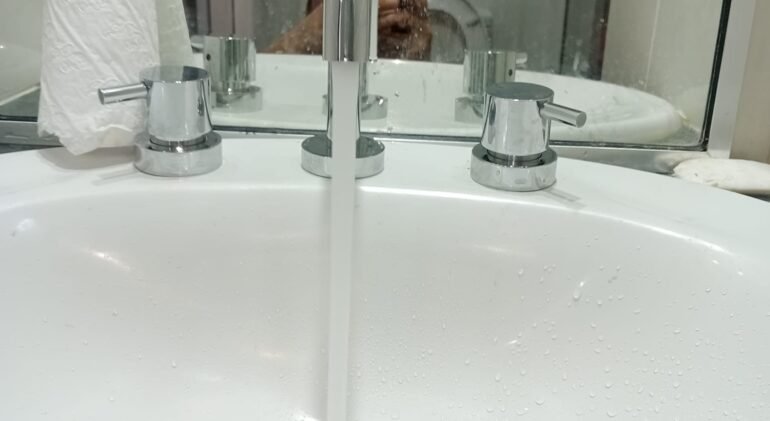

Water leakage is one of the most common and frustrating problems faced by homeowners. What may begin as a small, unnoticed leak can quickly turn into serious structural damage, mould growth and costly repairs. Understanding the causes of water leakage and knowing how to fix them early can save you time, stress and money. This blog explores the most common reasons for water leakage in homes and provides practical, effective solutions to help keep your property dry and protected.
Understanding Water Leakage in Homes
Water leakage occurs when water escapes from where it is meant to stay, such as pipes, roofs or drainage systems, and enters areas of the home it should not. Leaks can be visible, like dripping ceilings, or hidden behind walls, under floors or within roofing structures. Both types can cause long term damage if left untreated.
Homes are exposed to water every day through rain, plumbing use and ground moisture. Over time, building materials can wear down, seals can weaken and systems can fail, making leaks more likely. Regular maintenance and early detection are key to preventing major issues.
Common Causes of Water Leakage
One of the most frequent causes of water leakage is roof damage. Roofs are constantly exposed to weather conditions and can deteriorate over time. Cracked or missing tiles, damaged metal sheets and worn flashing around chimneys or vents can all allow rainwater to enter the home. Poor roof maintenance often leads to ceiling stains, damp insulation and internal water damage.
Another major cause is leaking or damaged plumbing. Pipes can crack, corrode or burst due to age, water pressure or temperature changes. These leaks often occur behind walls or under floors, making them difficult to detect. Signs may include reduced water pressure, unexplained increases in water bills or damp patches on walls and floors.
Faulty seals around windows and doors are also a common source of water entry. Over time, sealants can dry out, crack or shrink. During heavy rain, water can seep through these gaps and cause internal damage, especially around window frames and doorways.
Blocked gutters and downpipes can contribute significantly to water leakage. When gutters are clogged with leaves and debris, rainwater cannot drain away properly. This can cause water to overflow and run down walls or into the roof cavity, leading to leaks and moisture problems.
Poor drainage around the foundation of a home is another issue. If water is allowed to pool near the base of the building, it can seep into lower levels through small cracks or porous materials. This is especially problematic in homes with basements or lower ground floors.
Rising damp is a more complex cause of water leakage, particularly in older homes. It occurs when moisture from the ground travels upward through walls due to a lack of effective moisture barriers. This can lead to peeling paint, crumbling plaster and persistent dampness near the base of walls.
How to Fix Water Leakage Problems
Fixing water leakage starts with identifying the source. While some issues are easy to spot, others may require professional inspection. Once the cause is known, the appropriate solution can be applied.
Roof leaks should be addressed as soon as possible. Damaged tiles or roofing materials should be replaced, and flashing should be repaired or resealed. Regular roof inspections help catch small problems before they become serious. Keeping gutters clean also plays a crucial role in preventing roof related leaks.
Plumbing leaks usually require professional attention. A licensed plumber can locate hidden leaks using specialised equipment and repair or replace damaged pipes. In older homes, upgrading ageing plumbing systems may be the best long term solution to prevent repeated leaks.
Leaks around windows and doors can often be fixed by resealing gaps with quality waterproof sealant. Replacing worn weather seals and ensuring proper installation can significantly reduce water entry during rain. Regular inspection of these areas helps maintain their effectiveness.
To prevent issues caused by blocked gutters, regular cleaning is essential. Gutters and downpipes should be cleared of leaves and debris to ensure proper water flow. Installing gutter guards can reduce the build up of debris and make maintenance easier.
Improving drainage around the home can help prevent water from entering through the foundation. Ensuring the ground slopes away from the building allows water to drain naturally. In some cases, installing drainage systems such as surface drains or subsoil drainage can provide added protection.
Rising damp requires specialised treatment. Solutions may include installing a damp proof course, applying chemical barriers or improving ventilation to reduce moisture levels. Because rising damp can affect structural integrity, it is best handled by professionals with experience in damp treatment.
Preventing Future Water Leakage
Prevention is always better than repair when it comes to water leakage. Regular maintenance is the most effective way to protect your home. Annual inspections of the roof, plumbing and drainage systems can identify early signs of wear or damage.
Good ventilation inside the home helps reduce moisture build up, particularly in bathrooms, kitchens and laundry areas. Using exhaust fans and opening windows when possible can make a noticeable difference.
Monitoring water usage and checking water bills can also help detect hidden leaks early. A sudden increase in water usage may indicate a problem that needs investigation.
Using quality materials and professional workmanship during repairs and renovations reduces the risk of future leaks. Cutting corners often leads to recurring problems and higher costs in the long run.
Conclusion
Water leakage is a common issue that can affect any home, but it does not have to become a major problem. By understanding the common causes, recognising early warning signs and applying the right solutions, homeowners can protect their property from water damage. Whether it is a minor seal replacement or a more complex plumbing or damp issue, timely action is essential. With regular maintenance and professional support when needed, you can keep your home dry, safe and structurally sound for years to come.