


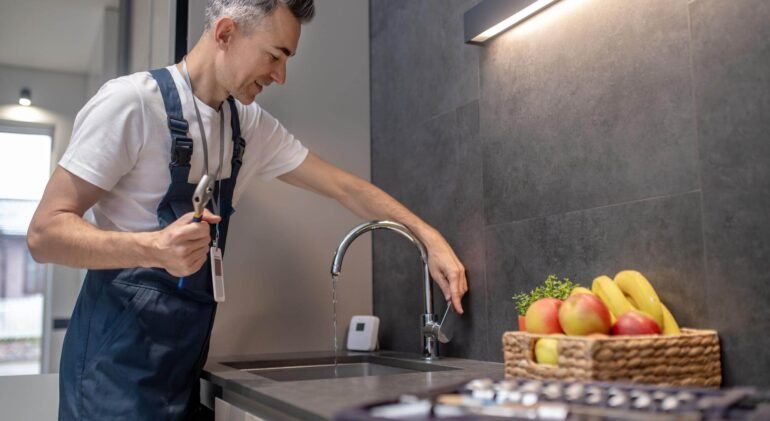

A burst pipe in the middle of the night, a toilet that suddenly will not flush or a hot water system that dies on a cold morning can leave any homeowner feeling stressed.
Once you have called a licensed plumber, it is natural to feel stuck, just waiting and worrying about the mess and the cost.
There are simple, safe steps you can take that protect your home, make the situation easier to assess and help the plumber get straight to work.
In many cases, these small actions can reduce the damage and the time spent on site, which often means a smaller bill and less disruption to your day.
Need something fixed fast? We handle all plumbing emergencies, general plumbing and drainage, blocked drain repairs, gas plumbing, hot water systems and water filtration.
Make things safe first
The first priority in any plumbing problem is safety like if water is flowing where it should not, try to stop or slow it down.
For a leaking tap, toilet or washing machine hose, turning off the isolation valve at the wall or under the fixture can make a big difference.
If you cannot find a local valve, or the leak seems more serious, turn off the main water supply at the meter or stop tap for the property.
It might mean going without water for a short time, but it is far better than letting clean water run into walls, floors or ceilings.
If water has reached power points, appliances, light fittings or the switchboard, do not touch anything wet and do not try to fix it yourself. Keep people and pets away from the affected area and wait for professional advice.
If you smell gas or suspect a gas leak from a heater, cooktop or hot water system, treat it as an emergency. Turn off the appliance if you can do so safely, open doors and windows, avoid flames or sparks and contact your gas supplier or emergency services as well as your plumber.
Limit the mess and further damage
Once the immediate danger is under control, focus on limiting damage. For leaks from ceilings or high pipes, place a bucket or large container under the drip to catch as much water as possible and moving furniture, rugs and other belongings away from damp areas can prevent stains and swelling.
If water has pooled on hard floors, you can use towels or a mop to soak it up, as long as it is clean water and there are no electrical hazards.
The faster you remove standing water, the less chance it has to soak into skirting boards, cabinetry and flooring. In carpeted areas, avoid heavy walking on saturated patches and try to ventilate the space with open windows or fans if that is safe.
Gather useful information
While you wait, spend a few minutes observing what is going on that information is very helpful when the plumber arrives. Notice when the problem started, whether it came on suddenly or gradually and what you were doing at the time.
Take a few clear photos or a short video on your phone showing the leak, stain, blocked drain or error light on an appliance. Sometimes a problem will slow down or stop by the time the plumber walks through the door.
If the issue involves a fixture or appliance such as a hot water system, mixer tap or toilet, see if you can safely read the brand, model and any visible ratings plate.
You do not need to remove panels or covers, just note whatever details are already in view. This helps the plumber check parts compatibility and may allow them to arrive with the right spares instead of having to leave and return later.
Make access easy
Plumbers work best when they can move freely and reach what needs attention like clearing the area before they arrive is one of the simplest ways to save time.
If the problem is under a kitchen sink, empty the cupboard so they can get straight to the pipes. For a leaking vanity, remove toiletries, baskets and cleaning products.
List all the problems in one go
When something goes wrong with the plumbing, it is common to focus only on the most urgent issue yet if there are other minor problems you have been ignoring, this is often the ideal time to mention them.
While you wait, quickly walk through the house and note any taps that drip, toilets that run, drains that smell or fixtures that feel loose.
Write down a simple list and when the plumber arrives, you can hand over that list and ask them to check as many issues as time and budget allow.
Stay calm and keep communication clear
Dealing with leaks, blockages or no hot water is stressful, but staying calm makes everything easier. When the plumber calls with an arrival time or steps through the door, explain what has happened in a simple, honest way.
Mention the steps you have already taken, show your photos and notes, and share any previous history of similar problems.
Small steps that make a big difference
Waiting for a plumber can feel powerless, yet the truth is that the minutes before they arrive are valuable. By making the situation safe, limiting damage, gathering information, clearing access and listing all your concerns, you are setting the job up for success.
These simple steps can shorten the time on site, reduce the need for repeat visits and help protect your home from avoidable harm. In the end, that means less stress, less mess and a better chance of a fair, manageable bill when the work is done.
2 Comments
Top Plumbing Maintenance Tips Every Aussie Homeowner Should Know - Tap Tech Plumbing
November 25, 2025, at 9:14 pm[…] water system in much better shape. You do not need to turn into a tradie all you need to know is what to look for and when to call a licensed […]
A Homeowner’s Guide to Choosing the Right Plumbing Service for Your Needs - Tap Tech Plumbing
November 25, 2025, at 9:15 pm[…] will understand your property, explain your options clearly and stand behind their work. With a little preparation before the next emergency, you can be ready to pick up the phone with […]